
3-Wheel Electric Forklifts Vs 4-Wheel Electric Forklifts
· Updated
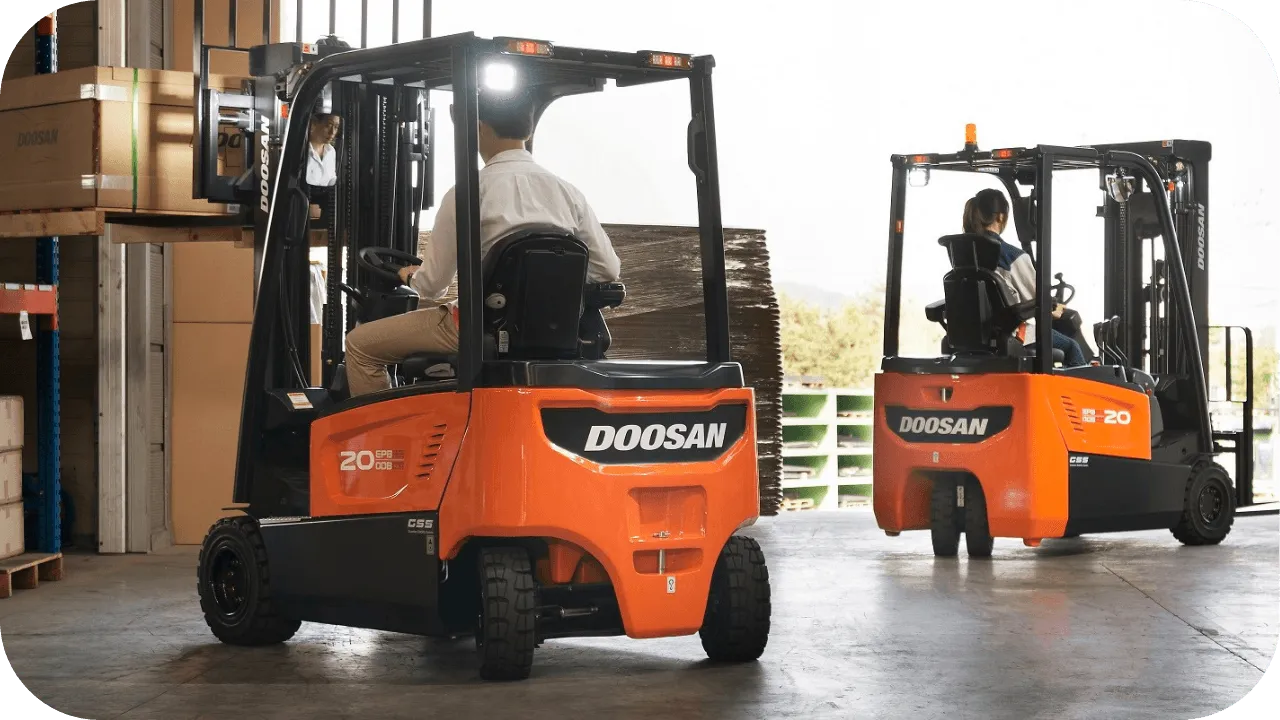
Choosing between a 3-wheel and 4-wheel electric forklift isn’t just about preference—it’s about efficiency, stability, and the right fit for your operations.
Do you want a smaller turning radius or greater load stability? Do you want indoor agility or outdoor durability? Each model has its strengths, but making the wrong choice could result in wasted space, reduced productivity, or unexpected costs.
This guide breaks down the key differences, advantages, and best use cases so you can make the right decision for your business. Let’s get started!
What Are 3-Wheel and 4-Wheel Electric Forklifts?
A 3-wheel electric forklift features a single rear wheel, allowing for tight turns and superior manoeuvrability in narrow aisles and confined spaces. Its compact frame is ideal for indoor warehouse operations, especially in logistics, retail, and storage facilities.
In contrast, a 4-wheel electric forklift has two rear wheels, ensuring greater stability and better weight distribution. It easily handles heavier loads and operates efficiently on smooth floors and rough terrain, making it suitable for outdoor and high-capacity applications.
Key Differences Between 3-Wheel and 4-Wheel Electric Forklifts
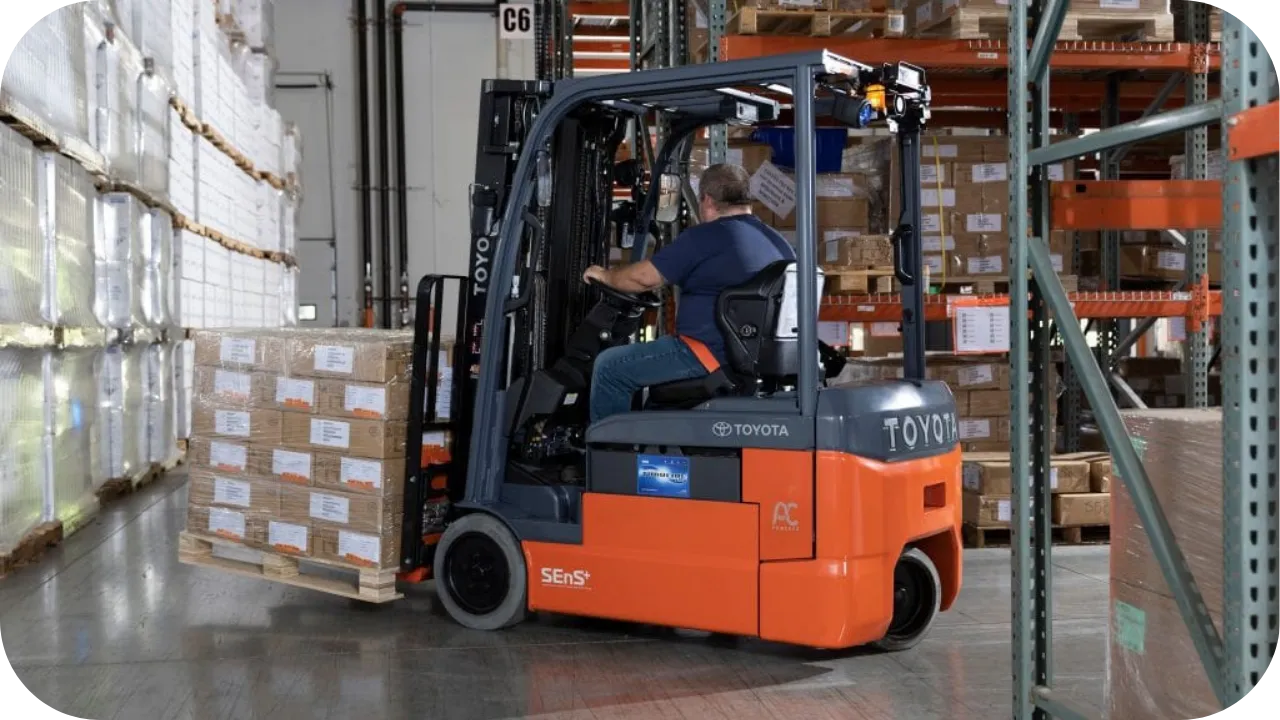
Choosing the right forklift is crucial—understanding the key differences can make all the difference in productivity and safety. Here’s what sets 3-wheel and 4-wheel electric forklifts apart.
1. Manoeuvrability and Turning Radius
3-wheel electric forklifts offer superior manoeuvrability thanks to their smaller turning radius and single rear wheel design, making them perfect for tight spaces, narrow aisles, and crowded warehouses.
In contrast, 4-wheel forklifts require more space to turn and are less agile in confined areas, though their design provides increased balance for heavy lifting tasks.
2. Stability and Load Capacity
When it comes to stability, 4-wheel electric forklifts outshine 3-wheel models. The four-point contact offers better weight distribution, making them more suitable for heavier loads and high-lift tasks.
Conversely, while agile, 3-wheel forklifts are less stable under heavy or uneven loads and may face tipping risks when working with large or high stacks.
3. Performance on Different Surfaces
4-wheel electric forklifts perform far better than 3-wheel forklifts on uneven surfaces, rough terrain, and outdoor environments. Their extra stability and robust design allow them to navigate ramps, gravel, or gravel yards effectively.
Meanwhile, 3-wheel forklifts are best suited for smooth indoor surfaces and struggle in rough outdoor conditions, limiting their versatility.
4. Operator Comfort and Usability
4-wheel electric forklifts often provide better operator comfort thanks to their balanced design and smoother ride. The added stability reduces vibration and operator fatigue.
In contrast, while three-wheel forklifts are agile, their tight turning mechanics can cause jerky movements, which may result in discomfort during long shifts or more challenging tasks.
5. Energy Efficiency and Battery Life
3-wheel electric forklifts are generally more energy-efficient due to their lighter design, making them ideal for long indoor shifts. They consume less power and have a longer battery life when used in appropriate environments.
On the other hand, while heavier and less energy-efficient, 4-wheel electric forklifts tend to offer longer-lasting battery performance for outdoor or heavy-duty tasks, making them more reliable in demanding conditions.
Pros and Cons of 3-Wheel Electric Forklifts
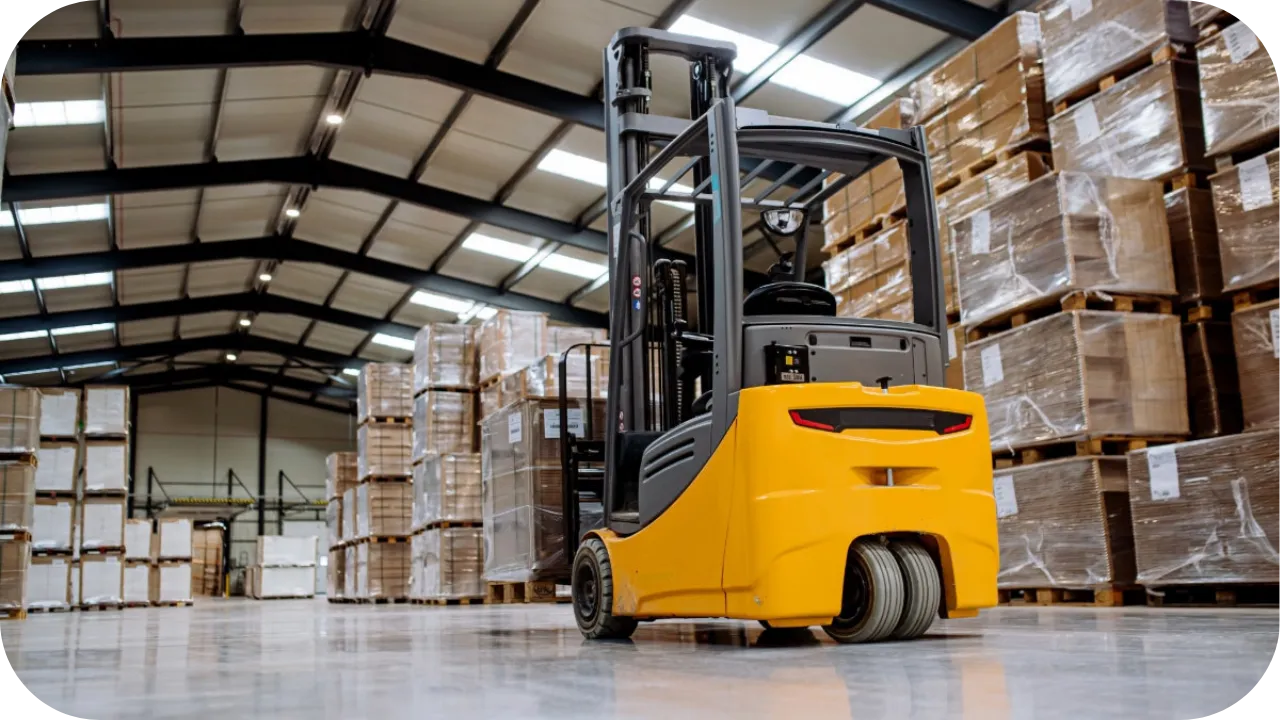
3-wheel electric forklifts excel in agility and affordability, but are they the best choice for your business needs? Let’s find out.
Pros:
- Superior manoeuvrability in narrow aisles: A 3-wheel forklift’s compact design allows for exceptional agility, making it perfect for tight warehouse spaces and busy environments with narrow aisles.
- Smaller footprint, ideal for tight spaces: Due to their smaller turning radius and reduced size, 3-wheel forklifts can easily navigate obstacles, making them suitable for crowded or confined areas where space is at a premium.
- Generally more affordable than 4-wheel options: 3-wheel electric forklifts tend to be more cost-effective in purchase price and ongoing maintenance, making them an excellent choice for businesses on a budget.
- Lighter weight and better for indoor use: Due to their compact and lightweight design, 3-wheel forklifts are ideally suited for indoor operations on smooth, flat surfaces. They offer greater energy efficiency and longer battery life in these conditions.
Cons:
- Lower stability on ramps and rough surfaces: While highly manoeuvrable, 3-wheel forklifts are less stable, particularly when used on uneven surfaces, inclines, or ramps. Their single-rear wheel design reduces balance, increasing the risk of tipping.
- Less load capacity than 4-wheel models: Due to their lightweight build, 3-wheel forklifts typically have a lower lifting capacity, making them less suitable for handling heavier or bulky loads.
- Not ideal for outdoor or uneven terrain: 3-wheel forklifts are designed for smooth, controlled environments and struggle with outdoor conditions or rough terrain, limiting their versatility for businesses needing outdoor functionality.
Pros and Cons of 4-Wheel Electric Forklifts
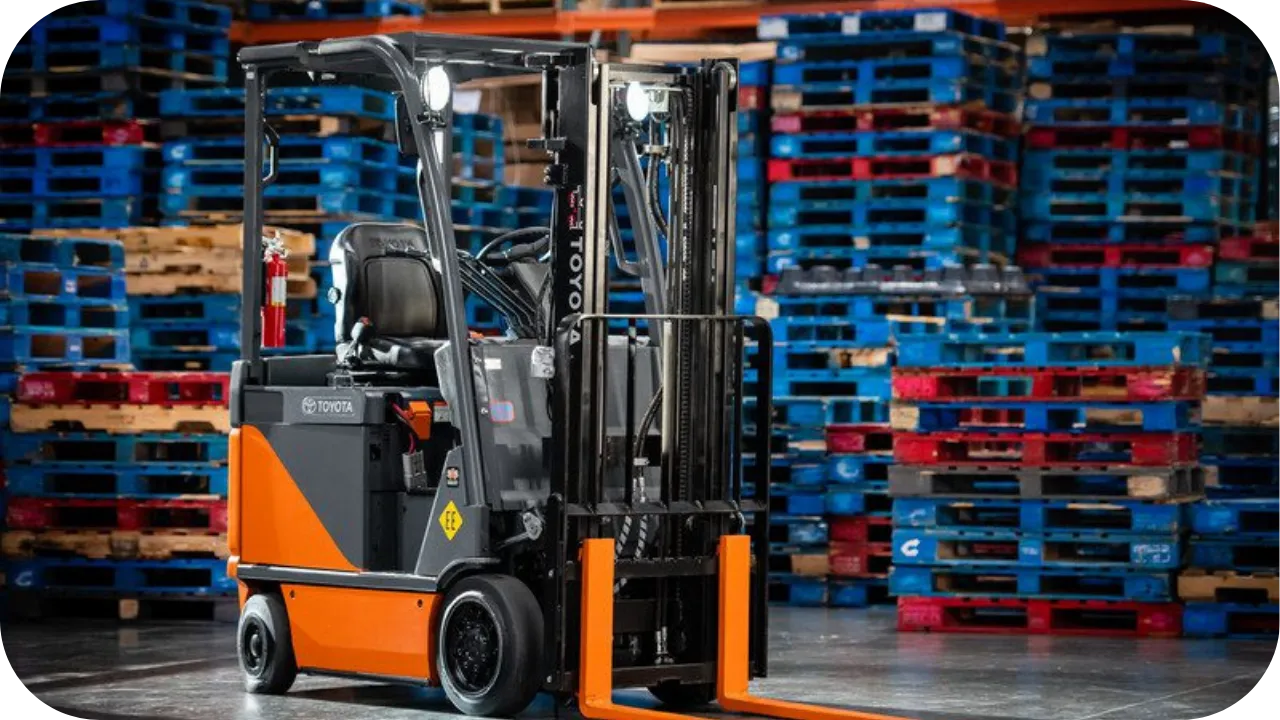
4-wheel electric forklifts offer stability and strength, but are they the right fit for your operations? Let’s weigh the pros and cons. Here’s the information structured in a table format:
| Feature | Pros | Cons |
| Stability | Higher stability, especially when carrying heavy loads, reduces the risk of tipping. | Larger turning radius, making it less ideal for tight spaces. |
| Suitability for Surfaces | Better suited for outdoor and multi-surface operations, including rough or uneven ground. | A bulkier design may require more storage space. |
| Lifting Power | More substantial lifting power for larger pallets and high-capacity tasks. | Typically more expensive than 3-wheel models, with a higher upfront cost. |
| Operator Comfort | A smoother ride reduces operator fatigue and improves comfort during long shifts. | Heavier weight could contribute to higher maintenance expenses. |
| Safety & Weight Distribution | Even weight distribution reduces the risk of unbalanced loads and potential accidents. |
Which Forklift Should You Choose?
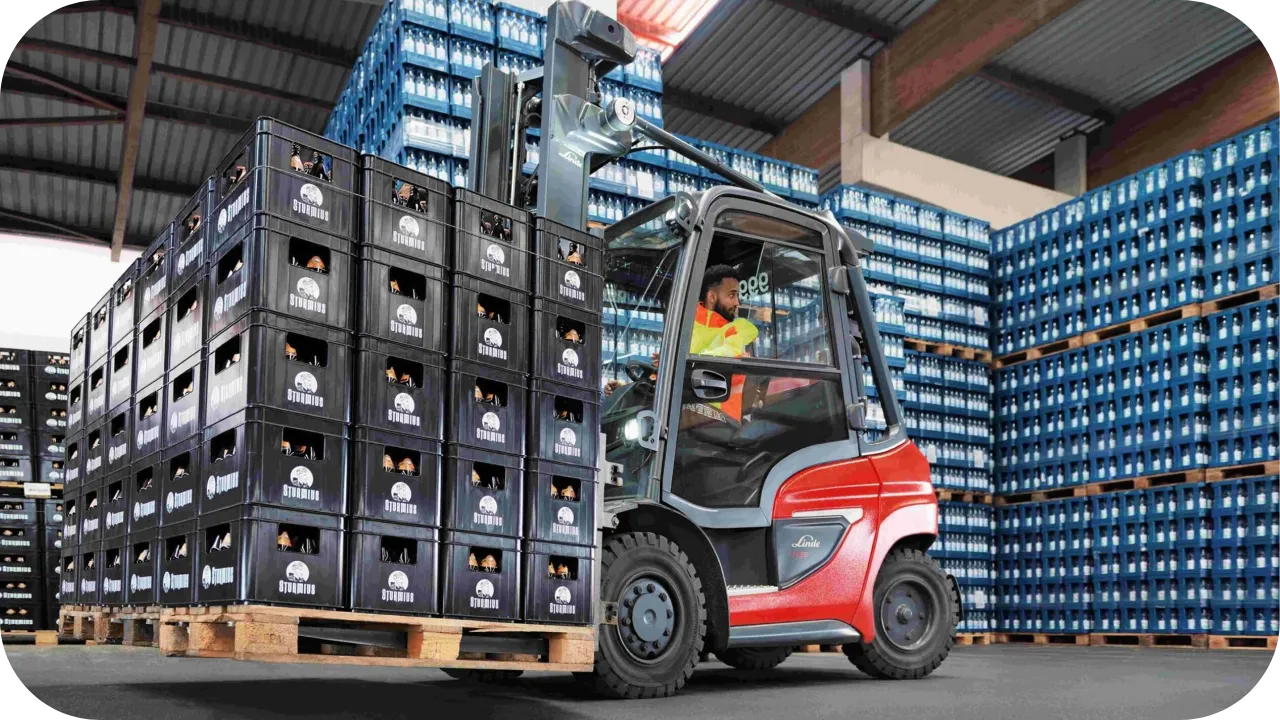
Selecting between a 3-wheel and a 4-wheel electric forklift depends on your operational needs and environment.
If your warehouse is tight on space and you need to easily navigate narrow aisles, a 3-wheel forklift is the way to go. Its smaller turning radius allows it to manoeuvre quickly, making it ideal for indoor use on smooth floors.
However, a four-wheel forklift offers superior stability and load capacity for businesses handling heavier loads or working in outdoor environments with uneven surfaces. It’s perfect for heavy-duty lifting, particularly when balance is key.
Ultimately, 3-wheel forklifts excel in agility, while 4-wheel forklifts dominate instability and power. When choosing the right forklift for your operation, consider load weight, terrain type, and available space.
Conclusion
Choosing the right forklift is crucial for efficiency and safety in your operations. 3-wheel forklifts offer agility and manoeuvrability, ideal for tight spaces, while 4-wheel forklifts provide stability and strength for heavy lifting and outdoor tasks.
At Buy a Fork, we offer a variety of electric forklifts to suit your unique business needs. Contact us today to find the perfect forklift to optimise your productivity and keep your operations running smoothly!