
Toyota vs. Linde: Counter Balance Comparison
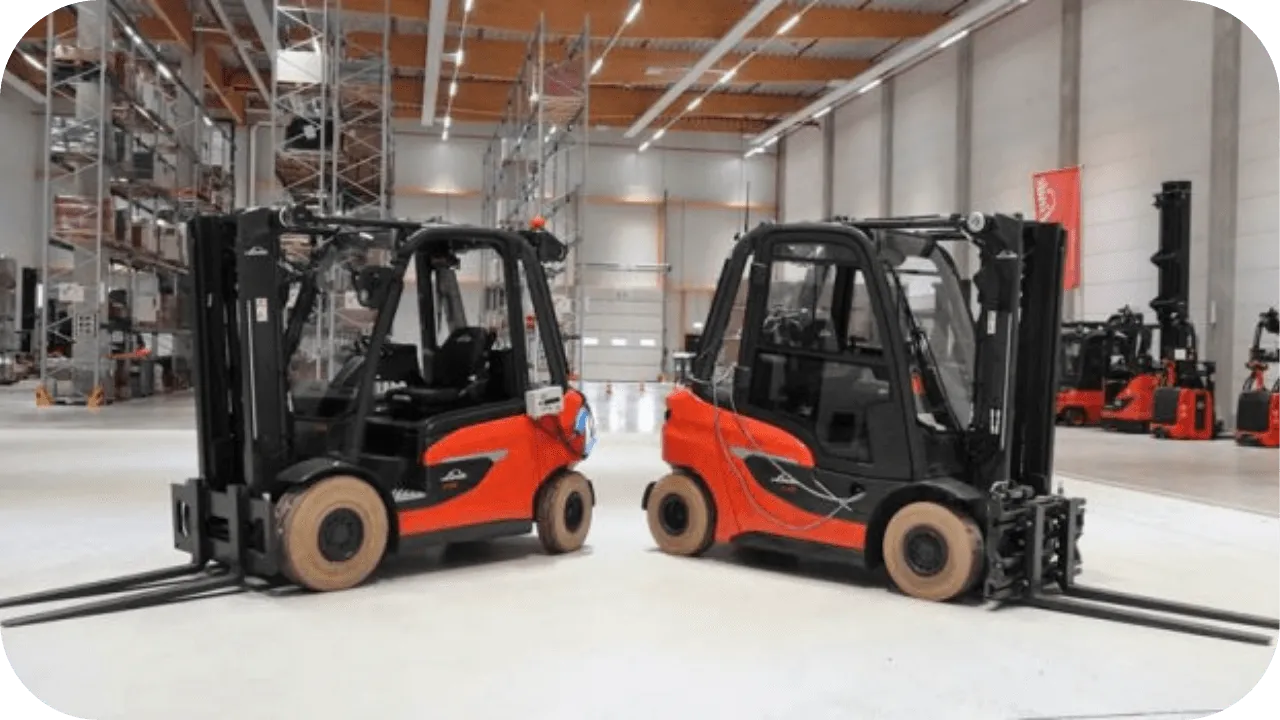
Selecting the right counterbalance forklift can transform warehouse efficiency, reduce costs, and enhance safety. Toyota and Linde are top contenders, each offering unique strengths and innovative features.
From advanced safety systems to energy-efficient designs, these brands have built their reputations on reliability and performance.
In this article, we’ll explore the key differences and weigh the pros and cons of each to help you determine which forklift is best suited for your operational needs.
What are Counterbalance Forklifts?
Counterbalance forklifts are versatile machines designed to lift, carry, and move heavy loads efficiently. Unlike other forklift types, they feature a weight at the back to balance heavy loads on the forks, eliminating the need for outriggers.
Widely used in warehousing, manufacturing, retail, and distribution, these forklifts are available in electric or internal combustion models and come in three-wheel or four-wheel configurations, making them a cornerstone of warehouse efficiency and productivity.
Feature-By-Feature Comparison: Toyota vs. Linde
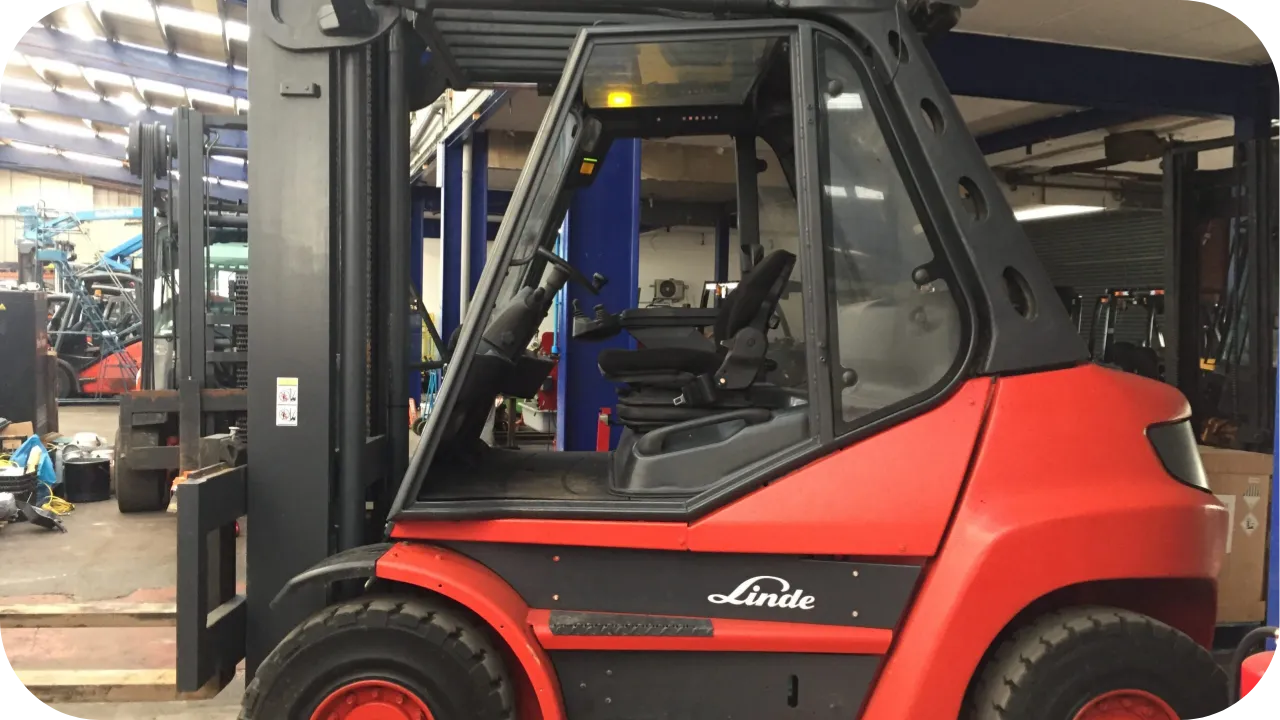
Which counterbalance forklift offers the best balance of performance, efficiency, and reliability? Let’s compare Toyota and Linde feature-by-feature to find out.
1. Performance and Load Capacity
Toyota counterbalance forklifts are widely recognised for their stability under load. They offer a range of lifting heights and capacities suitable for various warehouse tasks.
Linde models, on the other hand, excel in precision handling, particularly under heavy loads, thanks to their advanced hydrostatic drive system.
Both brands deliver dependable performance, but Toyota’s stability features and Linde’s precision handling cater to slightly different operational needs.
2. Energy Efficiency and Power Options
Toyota’s energy-efficient engines and long-lasting batteries make it a strong contender in sustainability. Electric models offer low emissions and reduced running costs, while their internal combustion options are designed for fuel efficiency.
Linde counters this with innovative energy recovery systems and advanced battery technology, further lowering long-term expenses. Both brands prioritise greener operations, with Linde focusing on cutting-edge energy-saving solutions.
3. Operator Comfort and Safety
Toyota forklifts boast ergonomic cabins, advanced stability controls, and excellent visibility, ensuring operators remain comfortable and safe.
Linde models go further with highly adjustable controls, spacious cabins, and panoramic visibility, reducing fatigue and improving accuracy. Both manufacturers prioritise operator well-being, but Linde’s ergonomic innovations offer a slight edge in comfort.
4. Serviceability and Durability
Toyota’s reputation for reliable, long-lasting components means less frequent maintenance and a global service network for quick repairs. Linde’s rugged build quality also promises longevity, while its innovative design simplifies routine maintenance tasks.
Both brands are known for durability, but Toyota’s established service network gives it an advantage in reducing downtime.
5. Overall Cost of Ownership
Toyota typically involves a higher initial investment but provides solid long-term value through durability and a strong resale market. Linde’s energy-saving technology and reduced maintenance needs can lower operational expenses.
Each brand delivers value differently: Toyota offers long-term dependability and strong resale potential, while Linde provides lower ongoing costs through advanced energy-efficient systems.
Pros and Cons of Toyota Counterbalance Forklifts
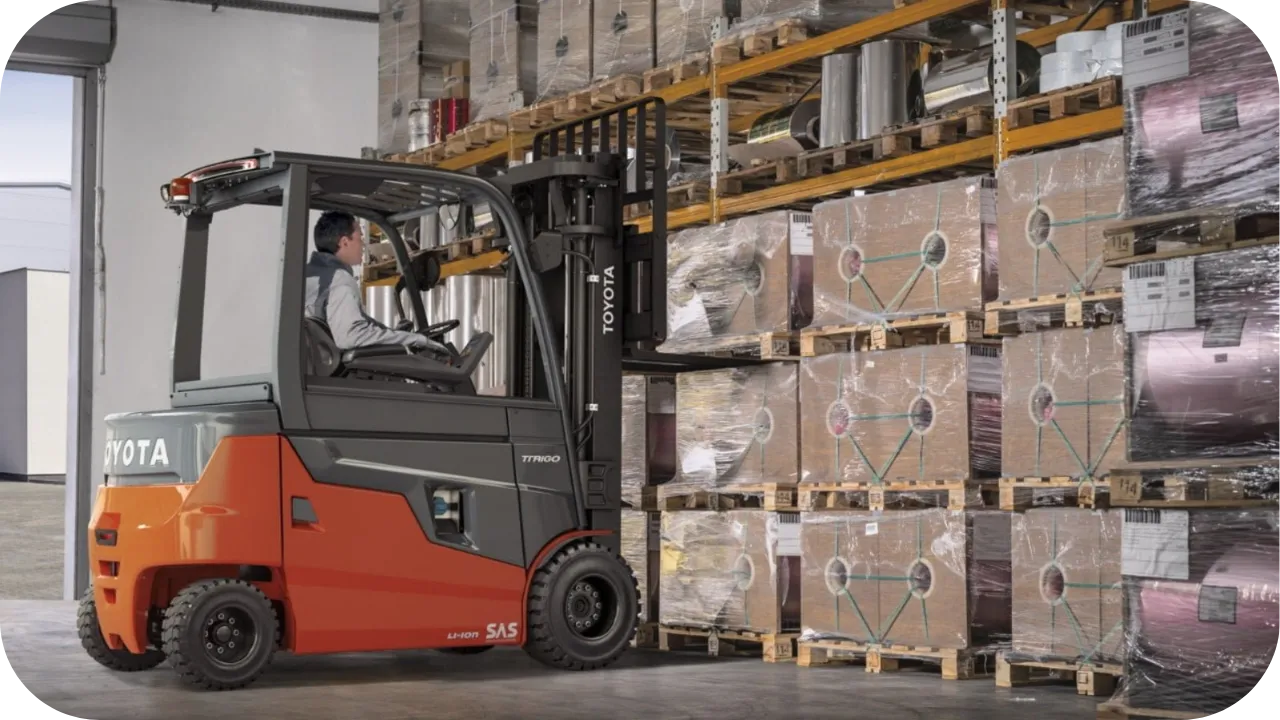
Toyota counterbalance forklifts are known for their reliability, energy efficiency, and advanced safety features. Here’s a look at their pros and cons to help you make an informed decision.
Pros:
- Proven performance and reliability: Toyota counterbalance forklifts have earned industry-wide trust for consistently stable, high-performing equipment in diverse and demanding environments. Their longevity and dependable performance ensure smooth operations over time.
- Energy-efficient designs: Toyota’s range includes long-lasting electric models and low-emission internal combustion engines. This helps businesses reduce environmental impact, lower operating costs, and meet sustainability goals without sacrificing performance.
- Advanced safety features: Toyota forklifts improve workplace safety with features like stability control, ergonomic cabins, and enhanced visibility. These enhancements not only protect operators but also boost handling efficiency and precision.
- Wide service network: Toyota’s comprehensive maintenance and repair support minimises downtime. A well-established network ensures components are readily available, keeping operations running smoothly and avoiding costly delays.
Cons:
- Higher upfront cost: The initial investment for Toyota counterbalance forklifts can be higher compared to other brands, making it a significant expense for smaller operations or businesses with tight budgets.
- Complex maintenance for advanced models: Certain high-tech components and cutting-edge systems require specialised servicing. This may increase repair time, labour costs, and the need for trained technicians.
Pros and Cons of Linde Counterbalance Forklifts
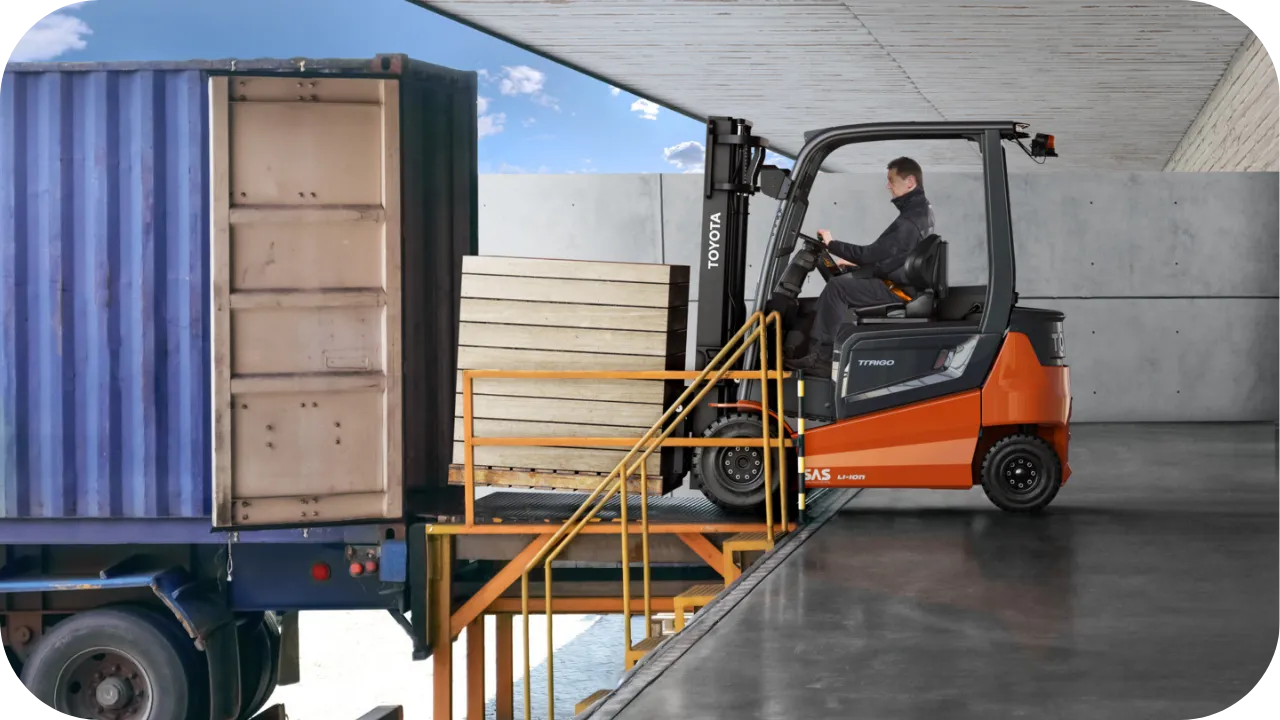
Linde counterbalance forklifts offer advanced handling, energy-saving features, and robust design. Here’s a closer look at their pros and cons to help guide your decision.
Pros:
- Hydrostatic drive systems: Linde counterbalance forklifts are equipped with advanced hydrostatic drive technology, providing smooth, responsive handling and precise control, especially in challenging and demanding environments.
- Energy recovery technology: Linde’s forklifts incorporate cutting-edge energy recovery systems, resulting in greater efficiency, lower emissions, and significantly reduced long-term operating costs.
- Ergonomic design: Featuring spacious cabins, intuitive controls, and optimised operator visibility, Linde forklifts prioritise comfort and ease of use, helping to minimise operator fatigue and increase productivity during long shifts.
- Robust construction: Built for heavy-duty usage, Linde forklifts boast a durable design that ensures long service life, making them ideal for rigorous applications and continuous operation in high-demand industries.
Cons:
- Higher maintenance costs: Linde forklifts’ complex systems and unique components can increase repair expenses and more frequent servicing needs, adding to the overall cost of ownership.
- Fewer electric models: While Linde offers a variety of forklifts, its selection of electric counterbalance models is more limited than that of some competitors, potentially limiting options for businesses prioritising eco-friendly equipment.
How to Choose the Best Forklift for Your Business
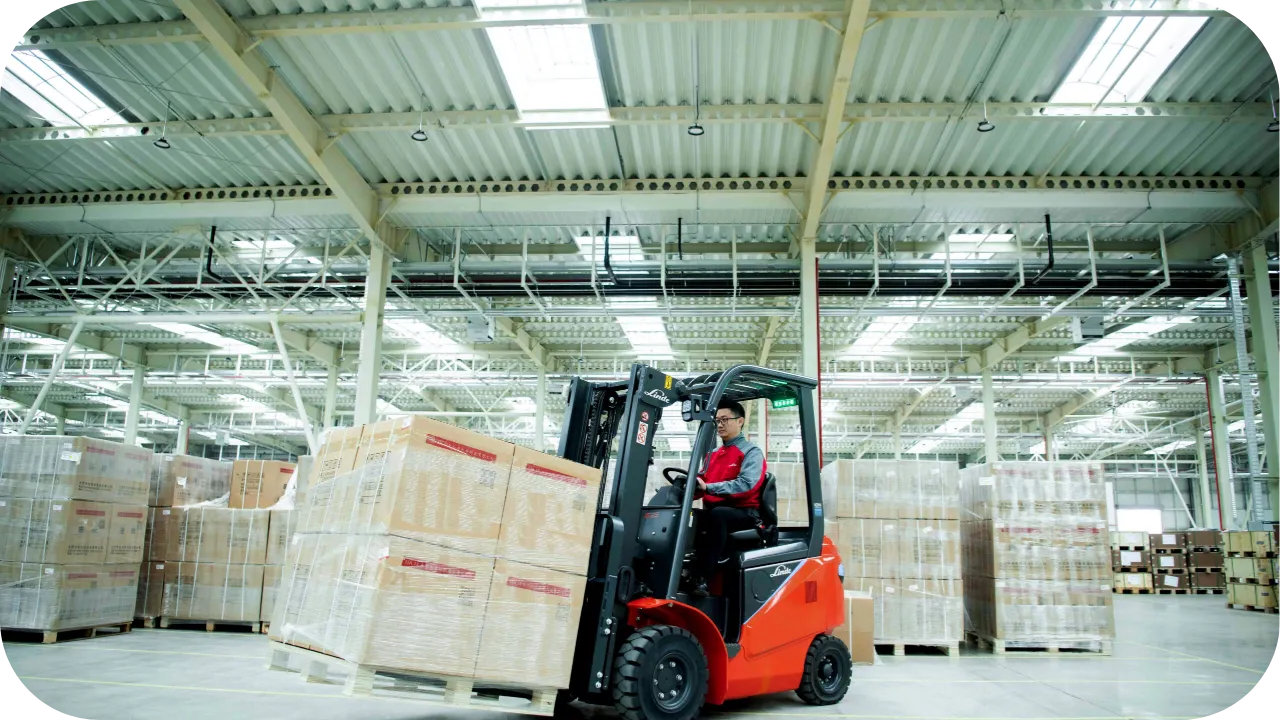
Choosing the right forklift for your business means more than comparing prices—here are the key considerations to guide your decision.
1. Assess Your Warehouse Needs
Review aisle widths, racking heights, and typical load types to determine your facility’s size and layout. Also, consider how often the forklift will be used to ensure it effectively and safely meets daily operational demands.
2. Consider Long-Term Costs
Look beyond the upfront cost. Calculate maintenance schedules, fuel efficiency, and potential repair expenses over the equipment’s lifetime. Choosing a forklift with a lower total cost of ownership can save money in the long run while improving reliability and productivity.
3. Evaluate Brand Support
Check for local service centres, warranty options, and parts availability. A brand that offers reliable support ensures fast repairs, reduces downtime, and extends the equipment’s lifespan, making it a crucial factor in selecting the right forklift.
4. Listen to Operator Feedback
Consult your forklift operators for their experiences with usability, comfort, and safety features. Understanding their daily challenges helps identify equipment that minimises fatigue, improves handling precision, and maintains productivity during long shifts, ensuring operator satisfaction and workplace efficiency.
5. Consider the Bigger Picture
Align your forklift choice with company goals, including sustainability and productivity targets. Choose equipment that supports current operations and future growth plans, ensuring the investment contributes to long-term efficiency and strategic success.
Conclusion
Both Toyota and Linde bring unique strengths to the counterbalance forklift market. Toyota excels in reliability, safety features, and long-term cost-effectiveness, while Linde impresses with its advanced drive systems, ergonomic design, and energy efficiency.
By understanding the distinct advantages of each, you can select the right equipment to enhance your warehouse productivity. Ready to take your operations to the next level? Contact Buy a Fork today for expert guidance and the best deals on Toyota and Linde forklifts!