
Toyota vs Crown vs Linde Forklifts: Which Brand Should You Choose?
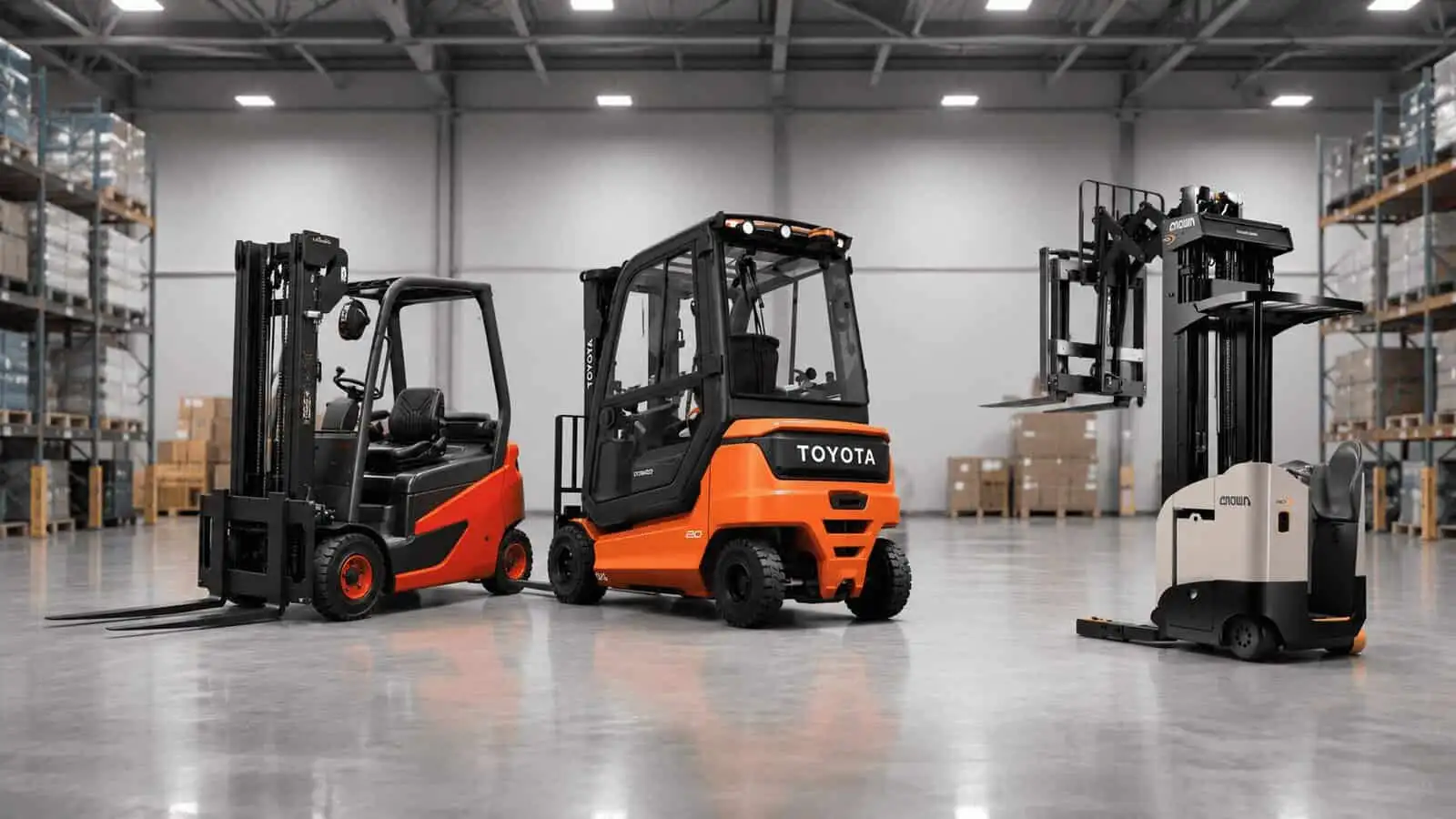
Choosing between Toyota, Crown and Linde forklifts is not about picking the most familiar logo. Each brand has strengths, but the right choice depends on how the forklift will be used day after day.
A small warehouse, a busy distribution centre and a mixed indoor-outdoor site may all need different machines. Load weight, lift height, fuel type, floor conditions, operator comfort, servicing and budget all matter. Before comparing prices, it helps to understand where each brand usually fits best.
Which Forklift Brand Should You Choose?
Toyota is the safest pick for many buyers who want a dependable all-round forklift with broad appeal, familiar handling and practical ownership. It suits businesses that need a proven machine for general warehouse, loading and material handling work.
Crown is a strong choice for warehouse-focused teams. It makes sense when operator comfort, indoor movement, electric equipment and productivity matter more than simply buying a basic forklift.
Linde is better suited to buyers who want a more premium handling feel. It can be a good fit for demanding sites where smooth control, comfort and performance carry extra weight.
| Buyer Priority | Best Fit |
| Reliable all-round use | Toyota |
| Busy indoor warehouse work | Crown |
| Premium handling and control | Linde |
| Small to medium business use | Toyota |
| Operator comfort | Crown or Linde |
| Electric warehouse equipment | Crown or Linde |
| Practical used forklift buying | Toyota |
| Demanding daily operation | Linde |
How to Compare Forklift Brands Properly
Brand reputation helps, but it should not be the only thing driving the decision. A Toyota, Crown or Linde forklift can all be a good buy when the model suits the site and the machine has been looked after properly.
Start with the work itself. Is the forklift mainly moving pallets indoors, loading trucks, working around tight aisles, handling outdoor yard tasks, or lifting into racking? That tells you more than the badge on the side.
Then look at the numbers. Capacity, lift height, mast type, fuel type, turning space and daily operating hours all need to match your site. For electric models, battery condition matters just as much as the forklift brand.
Used buyers should also check service history, tyres, hydraulic performance, mast wear and warranty. The best brand is the one that fits the job without creating extra running costs or handling problems.
Toyota Forklifts: Best for Reliable All-Round Use
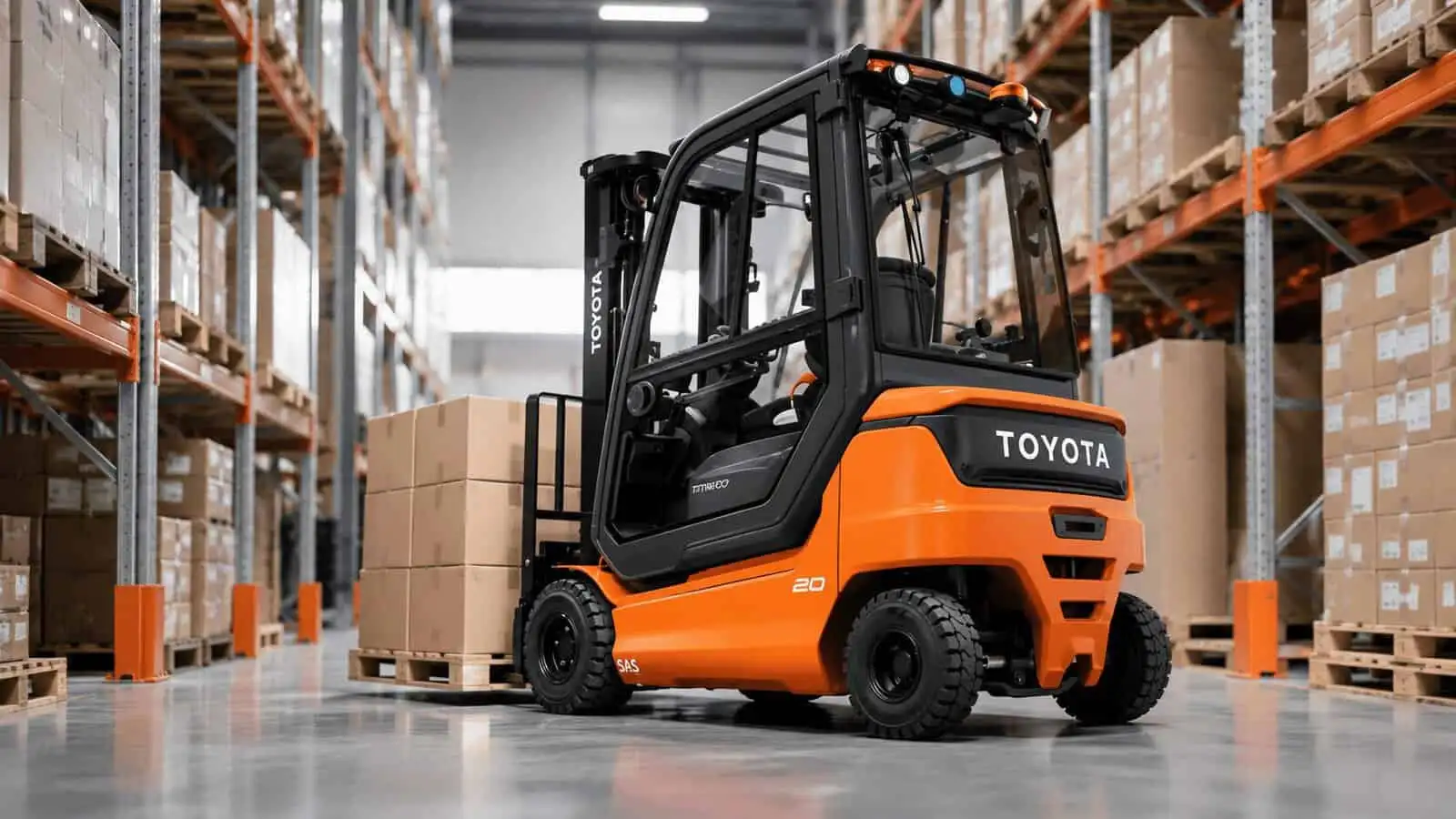
Toyota is often the easy brand to shortlist because it fits a wide range of workplaces. For many businesses, the appeal is not one standout feature. It is the balance of reliability, familiar operation, serviceability and broad model availability.
That makes Toyota a strong choice for general warehouse work, loading areas, dispatch zones and small to medium business sites where the forklift needs to do a bit of everything. It can suit buyers who want a practical machine without overcomplicating the decision.
Toyota can also make sense in the used market because many operators, mechanics and warehouse teams already understand the brand. That familiarity can make ownership feel more straightforward, especially for businesses buying their first forklift or replacing an older unit.
Still, the badge should not carry the whole decision. A well-maintained Toyota with the right capacity, mast height and fuel type is a strong buy. A poorly matched one can still slow the site down. When comparing used Toyota forklifts, check the actual specs against your workload rather than assuming every model will suit the job.
Crown Forklifts: Best for Warehouse Productivity and Operator Comfort
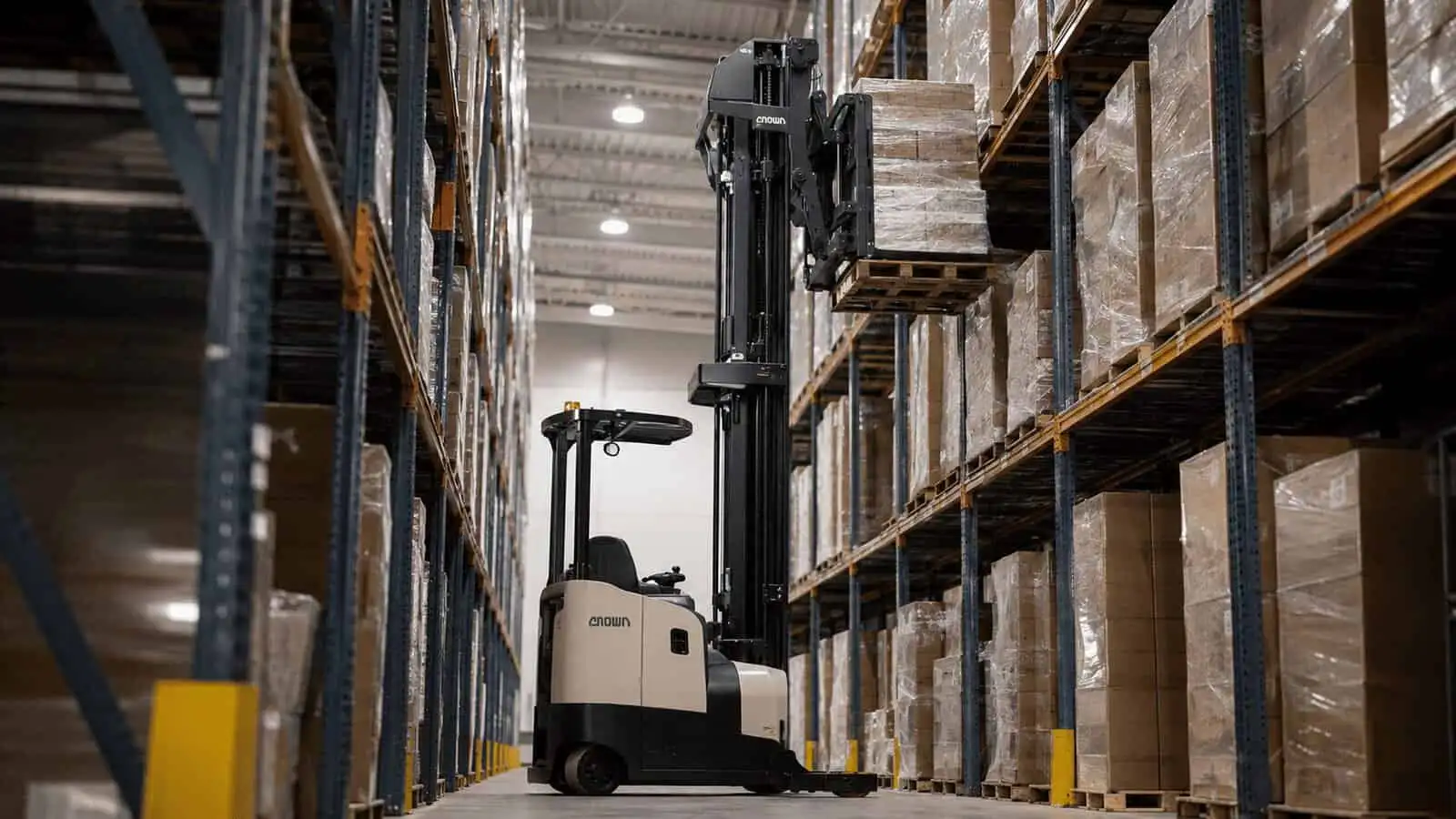
Crown is a strong fit for warehouses where the forklift is part of a fast-moving daily rhythm. It tends to appeal to teams that care about operator comfort, control, visibility and smooth movement through indoor spaces.
This makes Crown worth considering for distribution centres, stockrooms, dispatch areas, narrow aisles and sites where electric equipment does most of the work. A comfortable machine may not sound like a major buying factor at first, but it matters when operators spend long hours moving stock, picking orders or working around tight layouts.
Crown can also suit businesses that want equipment built around warehouse flow rather than occasional lifting. If your site depends on repeat movements, careful positioning and quick pallet handling, that focus becomes valuable.
As with any used forklift, condition still comes first. Battery health, lift height, hours, tyres and service history should guide the final decision. Businesses comparing warehouse-focused machines can review current used Crown forklifts by model, capacity and application before narrowing the shortlist.
Linde Forklifts: Best for Premium Handling and Demanding Work
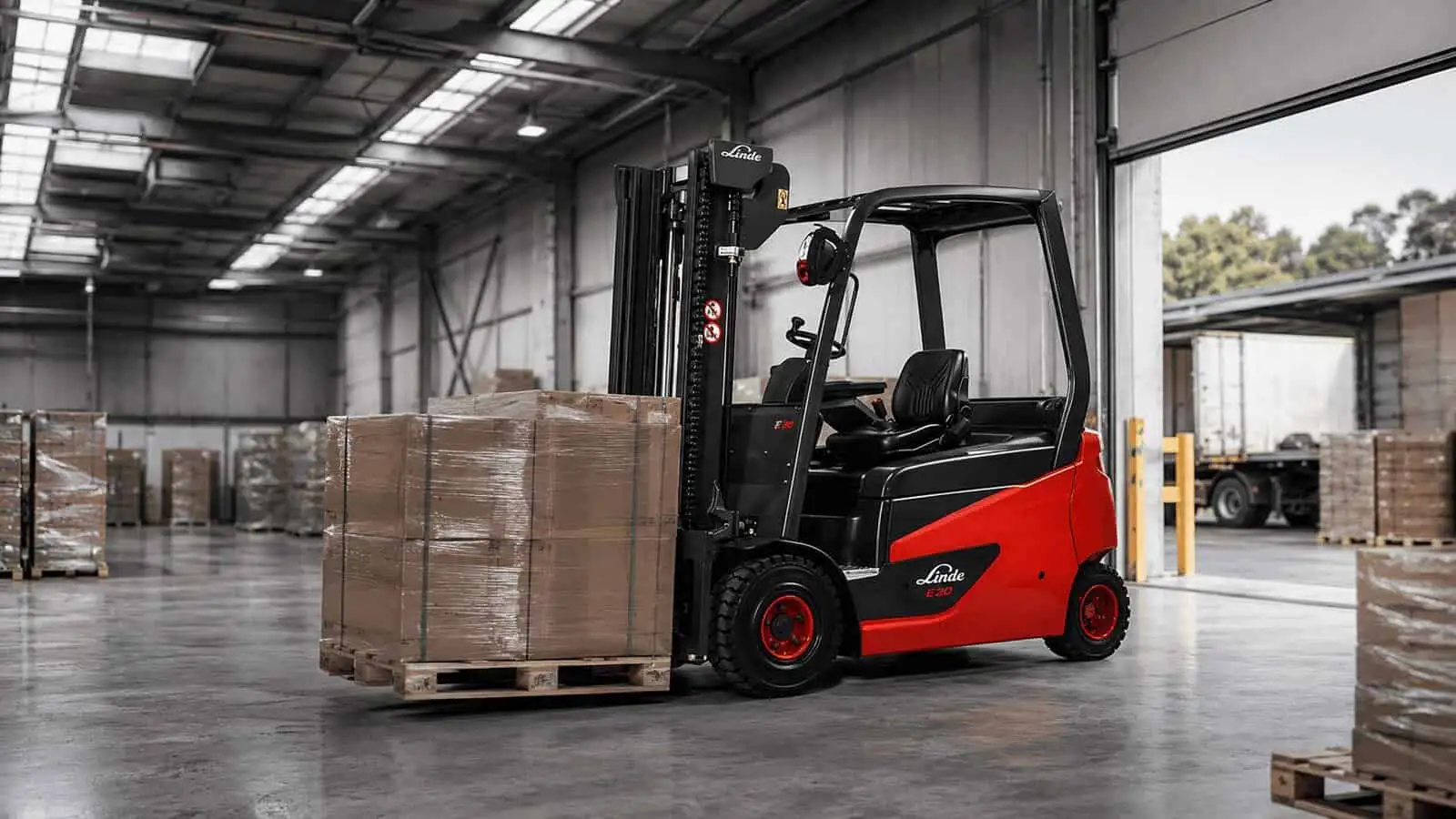
Linde is often the brand buyers consider when they want a forklift that feels refined, controlled and built for heavier daily expectations. It suits operations where handling feel matters, not just lifting capacity on paper.
That can make Linde a good fit for busy warehouses, manufacturing sites, logistics spaces and operators who spend long stretches behind the controls. Smooth steering, stable handling and operator confidence can make a real difference when the machine is used throughout the day.
Linde may not always be the cheapest option, especially in the used market. But for businesses that value comfort, strong engineering and precise control, the extra investment can make sense.
The same rule still applies: judge the individual machine, not just the brand name. A used Linde forklift should be checked for hours, service history, mast condition, tyres, fuel type and capacity. If premium handling is a priority, compare available used Linde forklifts against the exact work your site needs done.
Toyota vs Crown vs Linde: Side-by-Side Comparison
Toyota, Crown and Linde can all be strong choices, but they tend to suit different buying priorities. The best option depends on what your site values most: simple reliability, warehouse productivity or a more premium operating feel.
| Factor | Toyota | Crown | Linde |
| Best fit | General material handling | Indoor warehouse productivity | Premium handling and demanding use |
| Typical buyer | Small to medium businesses needing a reliable all-rounder | Warehouses focused on operator comfort and repeat movement | Sites that value smooth control and refined performance |
| Operator comfort | Strong | Very strong | Very strong |
| Electric equipment | Good range across warehouse needs | Strong for indoor and warehouse-focused work | Strong for electric and performance-focused use |
| Used market appeal | Broad and practical | Strong for warehouse buyers | Strong for buyers wanting premium equipment |
| Ownership style | Straightforward and familiar | Productivity-focused | Performance-focused |
| Best buying reason | You want a dependable forklift for varied tasks | Your team works in busy indoor warehouse conditions | You want better control, comfort and handling feel |
A Toyota forklift may suit a business that wants a safe, practical choice. Crown often makes sense when warehouse flow and operator comfort shape the decision. Linde is worth considering when the machine will be used heavily and the operator experience matters every day.
Which Brand Is Best for Electric Forklifts?
Toyota, Crown and Linde all have strong electric options, so the better choice depends on the way your site runs.
Toyota is a sensible pick when you want an electric forklift that feels familiar, practical and easy to fit into general warehouse work. Crown stands out when the job involves constant indoor movement, tight turns, order flow and operator comfort. Linde is worth looking at when smooth control, refined handling and long daily use are high priorities.
For used electric forklifts, the brand only tells part of the story. Battery condition, charger availability, hours, service history and lift height can matter just as much as the name on the machine. Once those details are clear, comparing available used electric forklifts becomes a more useful next step than choosing by brand alone.
Which Brand Is Best for Used Forklift Buyers?
For used forklift buyers, brand matters, but condition matters more. A clean, well-serviced Toyota, Crown or Linde will usually be a better buy than a poorly maintained machine with the “right” badge on it.
Start with the basics: hours, service history, tyres, mast condition, hydraulic performance and fuel type. For electric models, battery condition should be checked carefully because a weak battery can affect daily use, charging time and long-term value.
Toyota may appeal to buyers who want a familiar all-round machine. Crown may suit warehouse teams focused on indoor productivity. Linde may be better for buyers who want a more premium operating feel.
Once you know the required capacity, mast height, fuel type and budget, it becomes easier to compare the wider used forklift range without getting caught up in brand preference alone.
Common Mistakes When Choosing Between Toyota, Crown and Linde
- Choosing by brand name alone: Toyota, Crown and Linde all have strong reputations, but the badge does not tell you how well a used forklift has been maintained. A clean, well-serviced machine from any of the three brands can outperform a poorly kept premium model.
- Focusing only on the cheapest price: A lower upfront price can look attractive, but it may hide worn tyres, weak hydraulics, battery problems or poor service history. The better buy is the forklift that fits the job and will keep running reliably.
- Ignoring the actual work environment: Indoor warehouse floors, outdoor yards, loading docks and tight aisles all place different demands on a forklift. A machine that suits one site may feel awkward, underpowered or unsafe in another.
- Overlooking lift height and capacity: The forklift needs to handle your real pallet weights and reach your actual racking height. Guessing these numbers can lead to slow work, unsafe handling or a machine that cannot do the job properly.
- Forgetting operator comfort: Comfort matters when the forklift is used every day. Visibility, steering feel, controls, seat position and smooth handling can affect productivity, safety and operator fatigue.
- Not checking the individual machine: Brand comparison is useful, but the final decision should come down to hours, service history, mast condition, tyres, hydraulics, battery health and whether the forklift suits your site.
Final Recommendation: Toyota, Crown or Linde?
Choose Toyota if you want a reliable all-round forklift that suits general warehouse, loading and material handling work. It is often the practical choice for buyers who want familiar equipment and straightforward ownership.
Choose Crown if your operation is warehouse-heavy and your team values comfort, control and repeat productivity. It can be a strong fit for indoor sites where forklifts are used throughout the day.
Choose Linde if premium handling, smooth control and operator confidence are high priorities. It may suit demanding workplaces where the forklift is a core part of daily operations.
For used forklifts, the best decision is not brand alone. Match the machine to your load weight, lift height, fuel type, floor conditions and budget. Then compare the actual condition, service history and warranty before making the final call.
FAQs
1. Is Toyota better than Crown for forklifts?
Toyota is often the better choice for buyers who want a reliable all-round forklift for general warehouse, loading and material handling work. Crown may be better for indoor warehouse operations where operator comfort, visibility and repeat pallet movement matter more. The right choice depends on the site, workload and condition of the machine.
2. Is Linde better than Toyota?
Linde can feel more refined, especially for buyers who value smooth handling, comfort and precise control. Toyota is often chosen for practical reliability, broad familiarity and straightforward ownership. Neither brand is automatically better. A well-maintained Toyota can be a stronger buy than a poorly kept Linde, and the reverse can also be true.
3. Which forklift brand is best for warehouses?
Crown and Linde are strong options for warehouse-focused operations, especially where electric equipment, comfort and handling matter. Toyota also works well for many warehouses that need dependable general-purpose equipment. The best brand depends on aisle width, lift height, load weight, floor surface and daily usage.
4. Which forklift brand is best to buy used?
Toyota, Crown and Linde can all be good used forklift choices. Condition should guide the final decision more than brand name. Check service history, hours, tyres, mast condition, hydraulic performance, battery health for electric models, warranty and whether the forklift suits your actual worksite.
5. Are Crown forklifts good for electric warehouse work?
Yes. Crown is well suited to electric warehouse work, especially in sites where operators need comfort, visibility and smooth control during repeat movements. It can be a good option for indoor pallet handling, stock movement and busy warehouse environments where productivity depends on efficient machine handling.
6. Should I choose the cheapest used forklift?
Not automatically. The cheapest used forklift can cost more over time if it has battery problems, worn tyres, poor hydraulics, unsuitable lift height or limited service support. A better approach is to compare price against condition, capacity, mast height, service history and warranty.