
Tax Benefits of Buying a Forklift Before June 30
· Updated
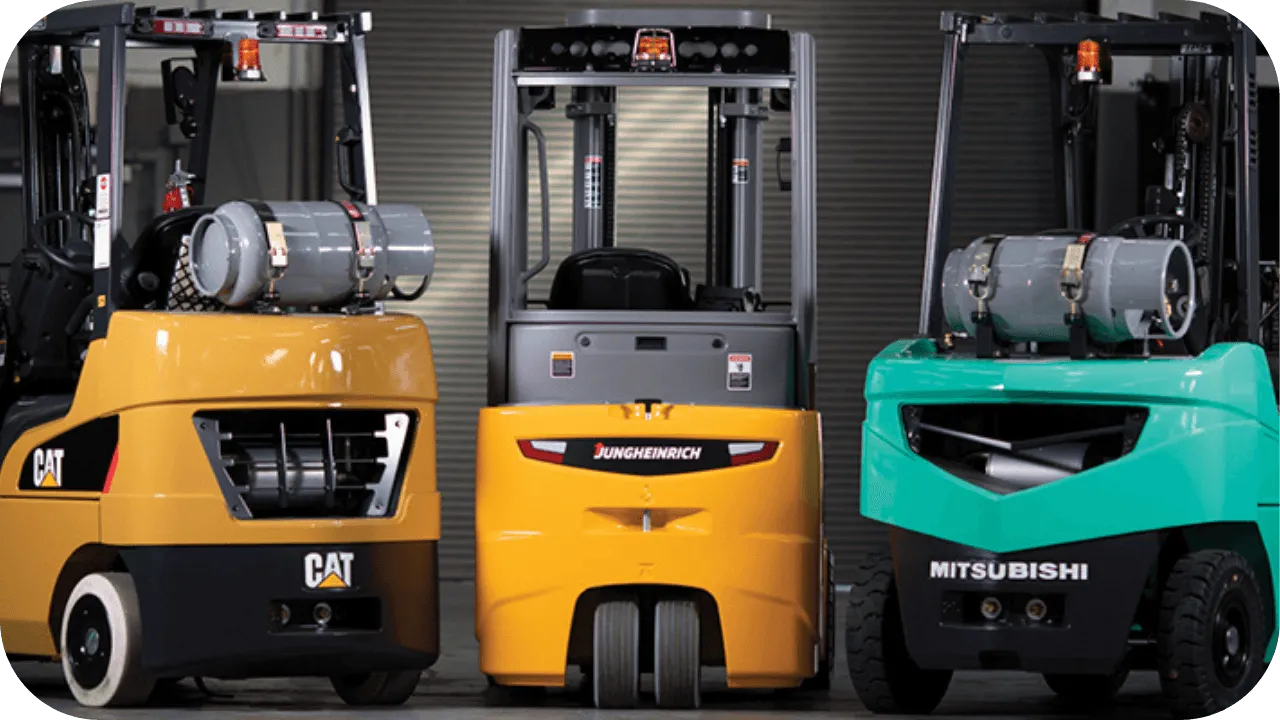
Tax time is creeping up fast, and if you haven’t upgraded your forklift yet, you could be leaving thousands of dollars on the table. The Instant Asset Write-Off and Temporary Full Expensing are about to change—miss the deadline, and you miss the savings.
Imagine paying full price when you could’ve slashed your taxable income. Businesses across Australia are cashing in, cutting costs, and reinvesting those savings. Why let the ATO take more than necessary?
This guide explains how to maximise your forklift tax benefits before June 30. From instant deductions to GST credits, we’ll show you how to boost cash flow and save big. Don’t wait—time is running out!
Australian Tax Benefits for Business Equipment
Australian businesses can claim significant tax deductions when purchasing equipment like forklifts. The Instant Asset Write-Off and Temporary Full Expensing schemes allow eligible businesses to claim the full cost of assets upfront, reducing taxable income.
These incentives help businesses invest in essential equipment while lowering tax liabilities.
Small and medium businesses with an annual turnover under the Australian Taxation Office (ATO) threshold can benefit most. Additionally, businesses registered for GST can claim input tax credits, reducing the effective purchase cost.
Depreciation deductions also apply if the asset isn’t eligible for an immediate write-off, allowing businesses to spread tax savings over multiple years.
These benefits can be a game changer for cash flow, making now the perfect time to invest in business equipment. To maximise savings, businesses should ensure purchases are made before June 30 and consult a tax professional to optimise their claims.
Why Buying a Forklift Before June 30 Matters
EOFY is here! Want to cut costs and boost cash flow? Buying a forklift before June 30 unlocks huge tax benefits!
1. Instant Asset Write-Off: Get Immediate Tax Deductions
The Instant Asset Write-Off allows eligible Australian businesses to immediately deduct the cost of a forklift rather than depreciating it over multiple years.
For small businesses with an annual turnover under $10 million, this means a direct reduction in taxable income, improved cash flow, and reduced tax liabilities. The current threshold for eligible assets is $20,000 per item, meaning forklifts below this limit can be entirely written off in the financial year they are purchased and put into use.
To qualify, businesses must finalise the purchase and operationalise the forklift before June 30. This tax scheme can significantly lower costs while maintaining fleet efficiency if a forklift is needed for warehouse operations, logistics, or construction.
With tax laws constantly changing, businesses should act quickly to secure this benefit before the financial year ends and ensure they remain compliant with evolving tax regulations.
2. Depreciation Benefits for Higher-Value Forklifts
Businesses can still benefit from depreciation deductions for forklifts priced above the Instant Asset Write-Off threshold, which helps spread the cost over the forklift’s useful life.
Australian businesses can use the Diminishing Value Method, which allows for larger deductions in the initial years, or the Prime Cost Method, which provides consistent tax deductions over time.
Depreciation helps businesses offset the investment cost while maintaining profitability, making it a key strategy for managing long-term tax planning. If a company purchases a high-value forklift before June 30, it can immediately claim the first year’s depreciation, reducing taxable income for the current financial year.
This is particularly beneficial for larger enterprises investing in heavy-duty forklifts that exceed the Instant Asset Write-Off limit. By incorporating depreciation deductions into financial planning, businesses can improve cash flow, manage tax obligations efficiently, and reinvest savings into future growth.
3. Claiming GST on Your Forklift Purchase
GST-registered businesses in Australia can claim back the 10% Goods and Services Tax (GST) paid on a forklift purchase, significantly reducing the overall cost.
For instance, if a forklift costs $50,000, including GST, the business can claim back $5,000 in GST credits through its Business Activity Statement (BAS), effectively lowering the net purchase price to $45,000.
This makes a forklift purchase more affordable while freeing up business cash flow for other operational expenses. However, to qualify for this GST refund, the forklift must be used predominantly for business purposes, and the company must be registered for GST before the purchase.
Additionally, businesses must maintain proper invoices and tax records to comply with the Australian Taxation Office (ATO) requirements. Claiming GST credits correctly ensures businesses maximise their tax benefits while avoiding unnecessary penalties or audit risks from incorrect reporting.
4. Temporary Full Expensing: 100% Tax Deduction on Forklifts
Temporary Full Expensing (TFE) is one of Australian businesses’ most generous tax incentives. It allows for a 100% immediate deduction on the cost of eligible forklifts.
Unlike the Instant Asset Write-Off, TFE has no strict asset price limit, making it ideal for businesses investing in high-value forklifts that exceed the $20,000 threshold.
If a business purchases a $60,000 forklift before June 30, it can deduct the full amount from its taxable income for the financial year, resulting in significant tax savings. The forklift must be purchased, installed, and operational before the deadline to qualify.
This scheme is particularly beneficial for warehouses, logistics providers, and construction companies that require heavy-duty forklifts while keeping costs manageable. However, as Temporary Full Expensing is set to expire soon, businesses should act fast to secure these tax benefits before the legislation changes.
5. Finance & Lease Tax Benefits: Lower Your Business Expenses
For businesses that prefer not to purchase a forklift outright, financing or leasing options still provide valuable tax benefits. Chattel mortgages, finance leases, and operating leases offer different advantages in ownership, deductions, and cash flow management.
A chattel mortgage allows businesses to claim depreciation and interest deductions, making it ideal for companies that want to own the forklift while reducing their taxable income entirely.
On the other hand, a finance lease allows businesses to deduct lease payments as operating expenses, substantially reducing taxable income without the need for upfront capital.
Operating leases are tax-deductible as a rental expense, offering maximum flexibility for businesses that don’t want long-term asset ownership. Regardless of the financing structure chosen, finalising the deal before June 30 ensures businesses can start claiming deductions immediately, lowering their tax obligations for the current financial year.
Consulting a financial advisor can help determine the best approach based on business needs, tax planning strategies, and cash flow requirements.
Common Mistakes to Avoid When Claiming Tax Benefits
Don’t let tax mistakes cost you! A simple error could mean losing thousands in deductions. Here’s how to avoid costly EOFY pitfalls.
- Missing the June 30 Deadline: Timing is everything! If you don’t purchase and have your forklift ready for use before June 30, you risk losing valuable EOFY tax benefits. Processing, financing, or delivery delays could push your claim into the next financial year. To avoid missing out, finalise your forklift purchase well in advance.
- Incorrect Record-Keeping: Poor documentation can lead to rejected tax claims or an ATO audit. Ensure you have valid tax invoices, proof of payment, and asset records for your forklift purchase. Keeping detailed financial records helps maximise deductions while ensuring compliance with tax regulations.
- Not Claiming All Eligible Deductions: Some businesses overlook key tax benefits such as GST credits, financing deductions, and depreciation claims. Consult an accountant to ensure you’re claiming every possible tax break. Missing deductions means leaving money on the table!
- Overlooking Financing Implications: Leasing, financing, and outright purchases have different tax treatments. Some businesses incorrectly claim deductions that don’t apply to their financing method. Understanding how your purchase structure affects tax claims ensures you maximise savings legally.
- Failing to Consult a Tax Professional: Tax laws change frequently, and making incorrect claims can lead to penalties. A qualified accountant can help navigate Instant Asset Write-Offs, depreciation schedules, and GST credits. Getting professional advice ensures your business maximises tax savings without compliance risks.
Maximise EOFY Tax Savings With Buy A Fork
The EOFY deadline is fast approaching, making now the perfect time to invest in a forklift and take advantage of huge tax savings. Buying before June 30 allows you to claim the Instant Asset Write-Off, benefit from Temporary Full Expensing, and maximise GST credits, which can significantly reduce your taxable income.
At Buy A Fork, we offer unbeatable deals to make your purchase even more rewarding. Our pre-owned forklifts come with a 6-month service warranty, giving you peace of mind. Need it fast? We provide same-day delivery, ensuring your forklift is ready for use before the EOFY deadline.
Plus, we offer free local delivery within 10km, saving you even more. For a limited time, take advantage of our “Buy a Fork, Get a Free Pallet Jack” offer—boosting efficiency at no extra cost. Don’t miss out on EOFY tax benefits and exclusive deals. Lock in your savings today with Buy A Fork!
Conclusion
Time’s running out! Buying a forklift before June 30 means instant tax savings, GST credits, and EOFY deductions.
Plus, with Buy A Fork’s exclusive deals—warranty-backed forklifts, free delivery, and a free pallet jack—you maximise both savings and value. Don’t wait and miss out—secure your forklift today and claim your EOFY tax benefits with Buy A Fork!